
Hong Kong Limited Company Tax Planning: Maximizing Benefits Under the 2025 Budget’s $1,500 Exemption
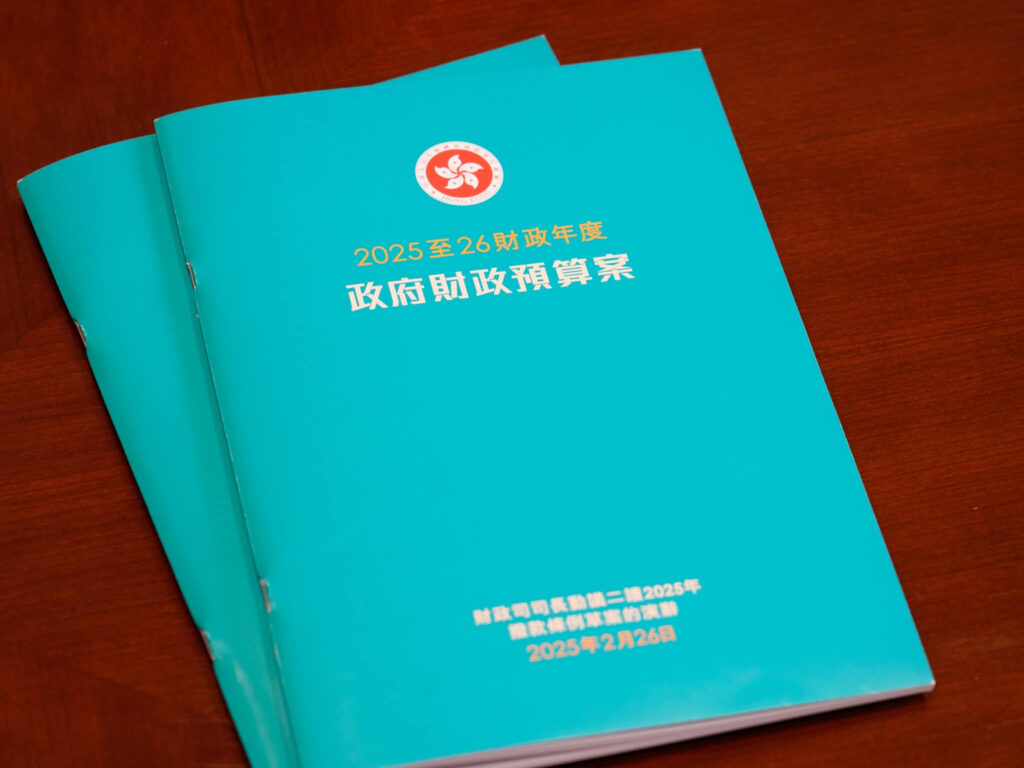
The 2025 Hong Kong Budget has set the tax exemption for businesses at just $1,500. While this amount may seem modest for a Hong Kong limited company, strategic tax planning can still unlock significant savings within Hong Kong’s low-tax environment. This guide explores actionable Hong Kong limited company tax planning strategies to help you navigate the 2025 fiscal year effectively.
Hong Kong Limited Company Tax Planning: Leveraging the $1,500 Exemption
The 2025 Budget offers a $1,500 tax exemption for every limited company, directly reducing your Profits Tax liability. Though small, this can be paired with Hong Kong’s two-tiered tax regime: the first HK$2 million of assessable profits is taxed at 8.25%, while anything above that is taxed at 16.5%. For companies with moderate profits, keeping taxable income within the HK$2 million threshold can optimize your tax burden—an essential step in Hong Kong limited company tax planning.
Expense Deductions: A Core Element of Tax Planning
Hong Kong’s tax system allows deductions for expenses directly tied to generating taxable income. To lower your taxable profits, review these deductible items:
- Operational costs: rent, salaries, and marketing expenses;
- Capital expenditures: equipment purchases, especially eco-friendly ones, may qualify for special relief;
- Lease restoration costs: Since 2024/25, these are deductible—great for businesses renting office space.
By meticulously documenting and claiming these expenses, your company can reduce its tax obligations significantly.
Offshore Income Exemption: Expanding Your Tax Strategy
If your limited company earns income outside Hong Kong—say, from e-commerce or overseas services—you can apply for an offshore income exemption. This requires proving the income was generated entirely offshore, supported by documents like contracts and bank statements. This tactic is a game-changer for Hong Kong limited company tax planning, especially for globally focused businesses in 2025.
Navigating the Global Minimum Tax in 2025
Starting in 2025, Hong Kong will enforce a 15% global minimum tax for multinational enterprises with annual revenues exceeding €750 million. If your company is part of such a group, you may need to assess potential “top-up tax” liabilities. Even smaller firms should stay informed about this policy’s long-term impact. For more details, visit the Hong Kong Inland Revenue Department.
Smart Cash Flow Management: Reinvestment and Dividends
For surplus funds in 2025, consider these options:
- Reinvestment: Channel profits into business growth or tech upgrades—deductible expenses that boost competitiveness;
- Dividend payouts: Hong Kong does not tax dividends, making this a tax-efficient way to distribute excess cash.
Balancing these approaches aligns tax savings with business objectives.
Industry-Specific Incentives to Watch
The Hong Kong government continues to promote sectors like technology, finance, and green industries. If your company operates in areas such as aviation leasing or sustainable finance, you might qualify for additional tax breaks. Stay updated via Hong Kong Government Portal for the latest 2025/26 Budget announcements.
Hong Kong Limited Company Tax Planning: Practical Tips
- Hire a tax advisor: Experts can tailor strategies combining the $1,500 exemption with other benefits;
- File early: Profits Tax returns are typically due in April, with an 18-month grace period for new companies;
Image Suggestion: Add a tax planning flowchart with the alt text “Hong Kong Limited Company Tax Planning Flowchart” to visualize the process.
Conclusion
Though the 2025 Budget’s $1,500 exemption is modest, smart Hong Kong limited company tax planning—via deductions, offshore exemptions, and cash flow strategies—can maximize your savings. Dive deeper with us, or consult our professional to customize your approach.
Keywords: Hong Kong Limited Company Tax Planning, 2025 Budget, Profits Tax Exemption, Offshore Income Relief